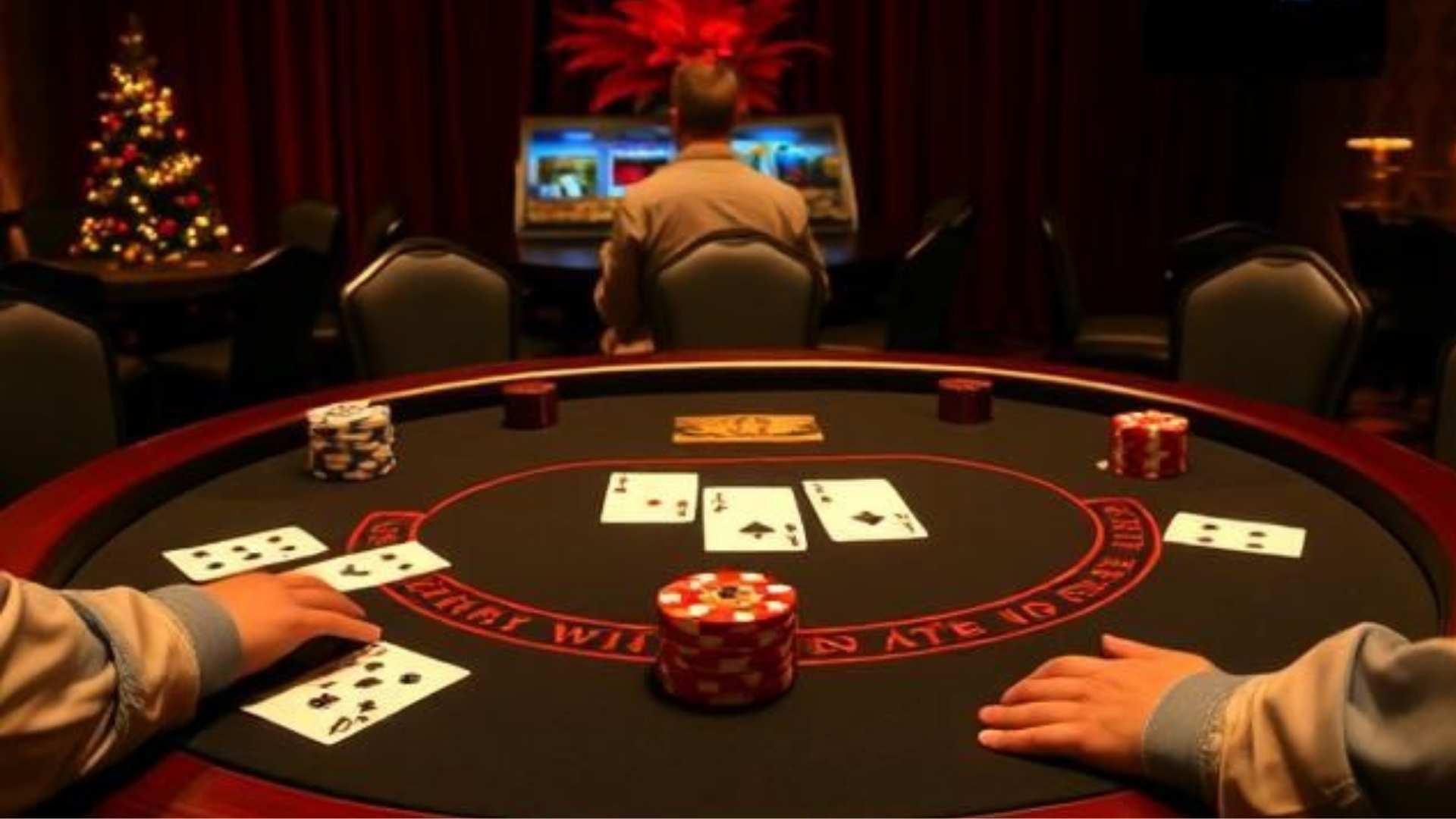
Poker is a dynamic card game where static formulas quickly lose their effectiveness against observant opponents. Achieving long-term profitability requires players to constantly evaluate changing table conditions and alter their tactics accordingly. True mastery comes from fluid adjustments rather than relying entirely on rigid starting hand charts or predictable betting patterns.
Reading the Table Dynamics
Every poker table has its own unique ecosystem shaped by the distinct personalities and risk tolerances of the participants. Successful players spend the opening rounds observing whether their opponents lean toward tight or loose styles. This immediate situational awareness allows you to exploit specific weaknesses before others even notice a shift in the game.
Failing to monitor these subtle changes can result in significant chip losses during critical showdowns. A strategy that dominates a passive table will often fail completely against aggressive counter-strategies. Professional players remain successful precisely because they gather actionable data from every single hand dealt.
Adjusting to Varied Opponent Styles
When facing tight opponents who rarely risk their chips, expanding your bluffing frequency can be highly effective. Conversely, when the table becomes chaotic and highly aggressive, tightening your range ensures you trap overconfident players. Flexibility in adjusting your baseline behavior prevents opponents from putting you on an exact range of cards.
Recognizing the right moments to pivot your approach keeps your strategy unpredictable and difficult to counter. Utilizing reliable platforms to sharpen these observational skills, such as visiting an m88 asia login portal, provides the realistic environment needed to test tactical shifts. Adapting your style to match or counter table aggression is the fastest way to build a sustainable edge.
The Role of Positional Awareness
Table position heavily influences how effectively a player can implement adjustments during a hand. Acting last grants the immense advantage of seeing how everyone else responds before you have to commit your own chips. This extra information reduces the necessity of guesswork and allows for much cleaner strategic execution.
Playing too many complex pots out of position forces you into difficult defensive situations. Skilled tacticians minimize their activity in early positions and increase aggression when they hold the final word. Mastering this spatial element transforms chaotic sessions into highly structured, profitable encounters.
Managing Psychological Shifts
Maintaining emotional stability is just as critical as executing proper mathematical calculations at the table. A single bad beat can easily disrupt a player's focus, leading to a destructive state commonly known as tilt. Recognizing the early warning signs of frustration allows you to step back and preserve your hard-earned bankroll.
Resilient players view temporary losses as variance rather than personal failures. By keeping a detached, analytical mindset, you ensure that every bet rests entirely on logic. Consistent emotional control remains the ultimate shield against sudden downswings in competitive card games.