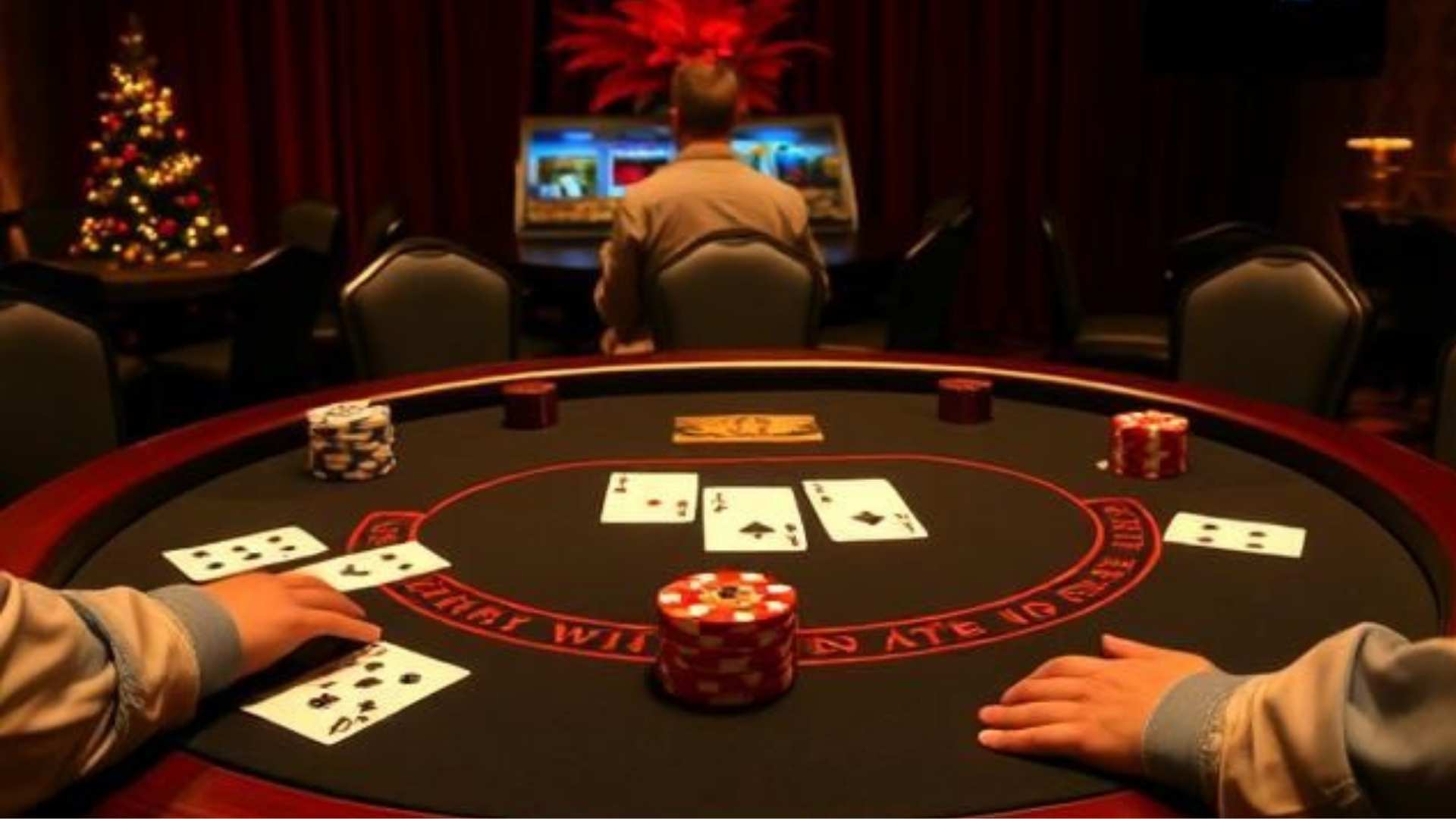
While many recreational activities rely purely on the luck of the draw or the roll of a die, table games offer a completely different level of engagement. These interactive experiences place the power directly in the hands of the players, making every choice a critical step toward victory or defeat. Understanding how to navigate these turning points can turn a casual evening into a masterclass in tactical thinking.
The Psychology of Risk and Reward
Every move on a strategic game board or felt table forces participants to weigh potential gains against immediate losses. This constant mental calculation keeps players fully engaged and creates a highly dynamic environment where passive participation is simply not an option. Each choice serves as a direct reflection of your personal strategy and risk tolerance.
Furthermore, the pressure of making decisions in real-time sharpens your analytical skills and teaches valuable lessons in patience. Players must learn to read the room, anticipate their opponents' next moves, and adapt their plans on the fly. This beautiful complexity is what keeps enthusiasts coming back to the table night after night.
Classic Games That Demand Ultimate Focus
Blackjack stands as a prime example of a game where a single decision to hit or stand completely dictates the outcome of a round. Experienced players rely on mathematically proven strategies to minimize the house edge and maximize their control over the cards. This constant puzzle requires absolute concentration and a disciplined approach to bankroll management.
For those looking to explore these strategic challenges in a modern digital format, finding a secure platform is essential. You can access premium options easily through the m88 asia login portal to test your decision-making skills against dynamic systems. Practicing with low stakes allows you to refine your approach before tackling more complex tables.
The Hidden Value of Skill-Based Play
Unlike purely luck-based entertainment, skill-based table games offer a profound sense of personal achievement when a plan comes together. Successfully executing a bluff or calculating the exact odds of a specific outcome provides a unique mental thrill. Over time, these habits build cognitive resilience and improve real-world problem-solving abilities.
Ultimately, the true appeal of these games lies in the balance between structured rules and creative freedom. While the framework of the game remains constant, the paths to victory are nearly limitless, depending entirely on the choices you make. This ensures that no two sessions are ever identical, offering endless replay value for strategic minds.