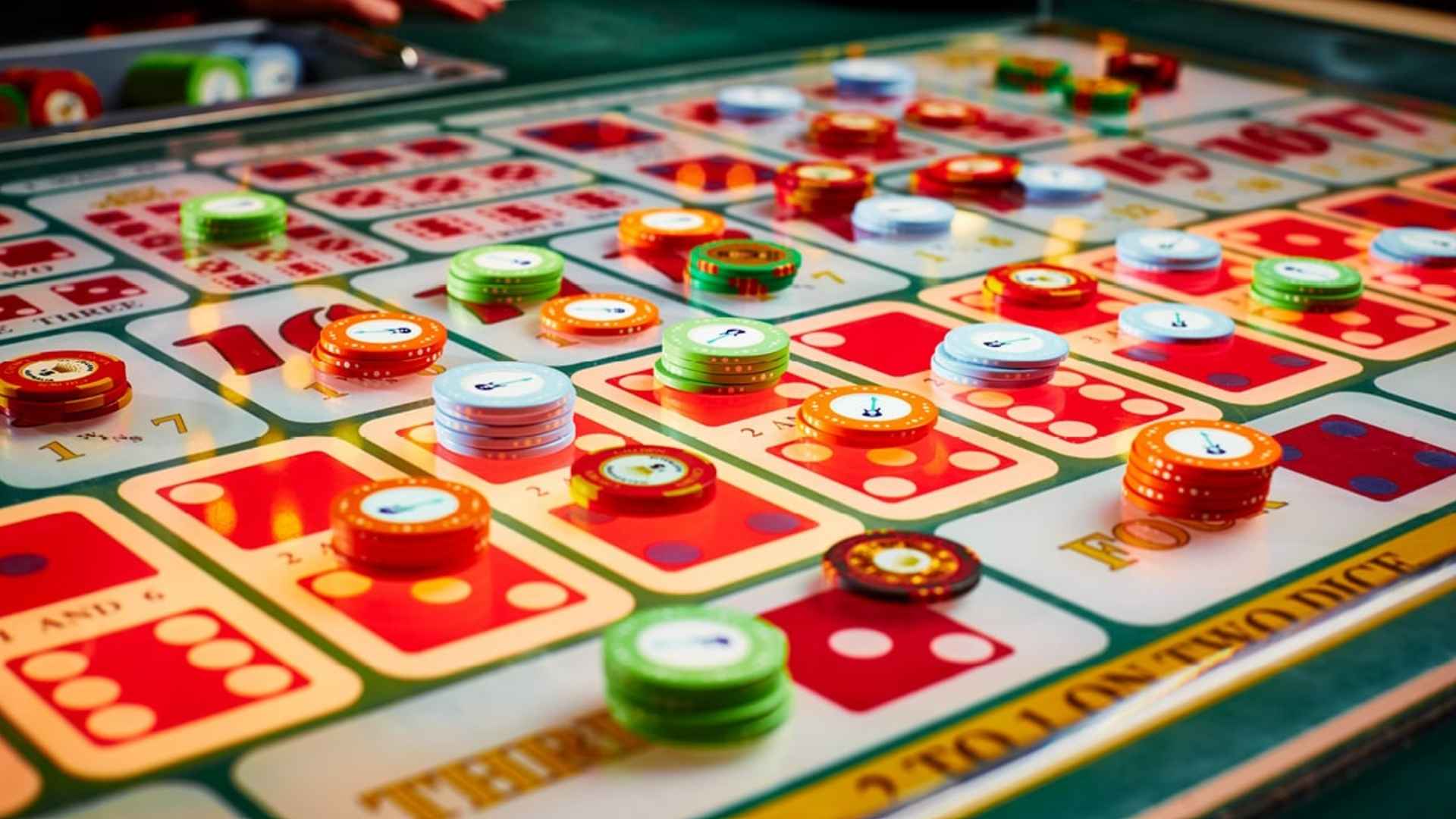
The landscape of modern digital entertainment has evolved significantly with the introduction of interactive prize systems that offer multiple outcomes. Unlike traditional single-prize structures, these dynamic frameworks keep participants engaged by introducing unpredictable variables and multi-layered reward branches. By altering the traditional delivery of incentives, developers can create an immersive environment that caters to diverse consumer preferences.
The Evolution of Dynamic Reward Architecture
Traditional reward systems often suffered from predictability, leading to quick participant fatigue and low retention rates. Modern setups solve this by utilizing complex decision trees that produce various potential results from a single interaction. This shift ensures that every session feels completely unique and structurally distinct from the last.
Furthermore, these branched environments encourage users to explore different pathways within the interface to see what hidden elements they might unlock. By designing multi-outcome milestones, platforms give audiences a sense of personal progression rather than a simple automated transaction.
Balancing Random Distribution and Consumer Value
To keep interactive systems transparent, developers must rely on verified mathematical models that distribute rewards fairly across all operational segments. A balanced configuration ensures that mid-tier rewards appear frequently enough to sustain momentum while the highest milestones remain achievable. This strategic layout prevents user discouragement and establishes long-term behavioral trust.
When users evaluate an interactive system, they look past the main attraction to see if secondary outcomes offer genuine utility. Engaging networks such as boss toto showcase how properly structured parameters can maintain high entertainment value for casual participants. Transparency in these systems remains essential for building consumer confidence over time.
The Psychology of Diverse Outcome Models
Human curiosity thrives on cognitive variance, which makes multiple-outcome systems inherently more engaging than fixed rewards. When a participant is unsure which variation they will receive, the brain experiences heightened anticipation before the results reveal themselves. This brief moment of suspense elevates the entire digital interaction into a memorable multimedia experience.
Additionally, offering diverse prize tiers allows developers to accommodate different player profiles simultaneously within one system. Some users prefer frequent, smaller rewards that provide consistent positive reinforcement, while others enjoy chasing rare, complex achievements. Catering to both mentalities ensures maximum inclusivity across digital entertainment platforms.
Technological Integration in Modern Systems
The successful implementation of interactive prize structures relies heavily on responsive computing scripts and real-time backend software. Modern engines handle hundreds of structural calculations per millisecond to ensure that every randomized branch is completely independent of past actions. This advanced foundation guarantees unbiased delivery and protects the software infrastructure from predictable patterns.
As digital media continues to expand, these adaptive modules will likely integrate more immersive design traits and personalized parameters. Creating sustainable, flexible ecosystems allows brands to establish deeper customer connections while ensuring the underlying platform remains fair and balanced.